
How Nigeria Can Overcome Insecurity, Together
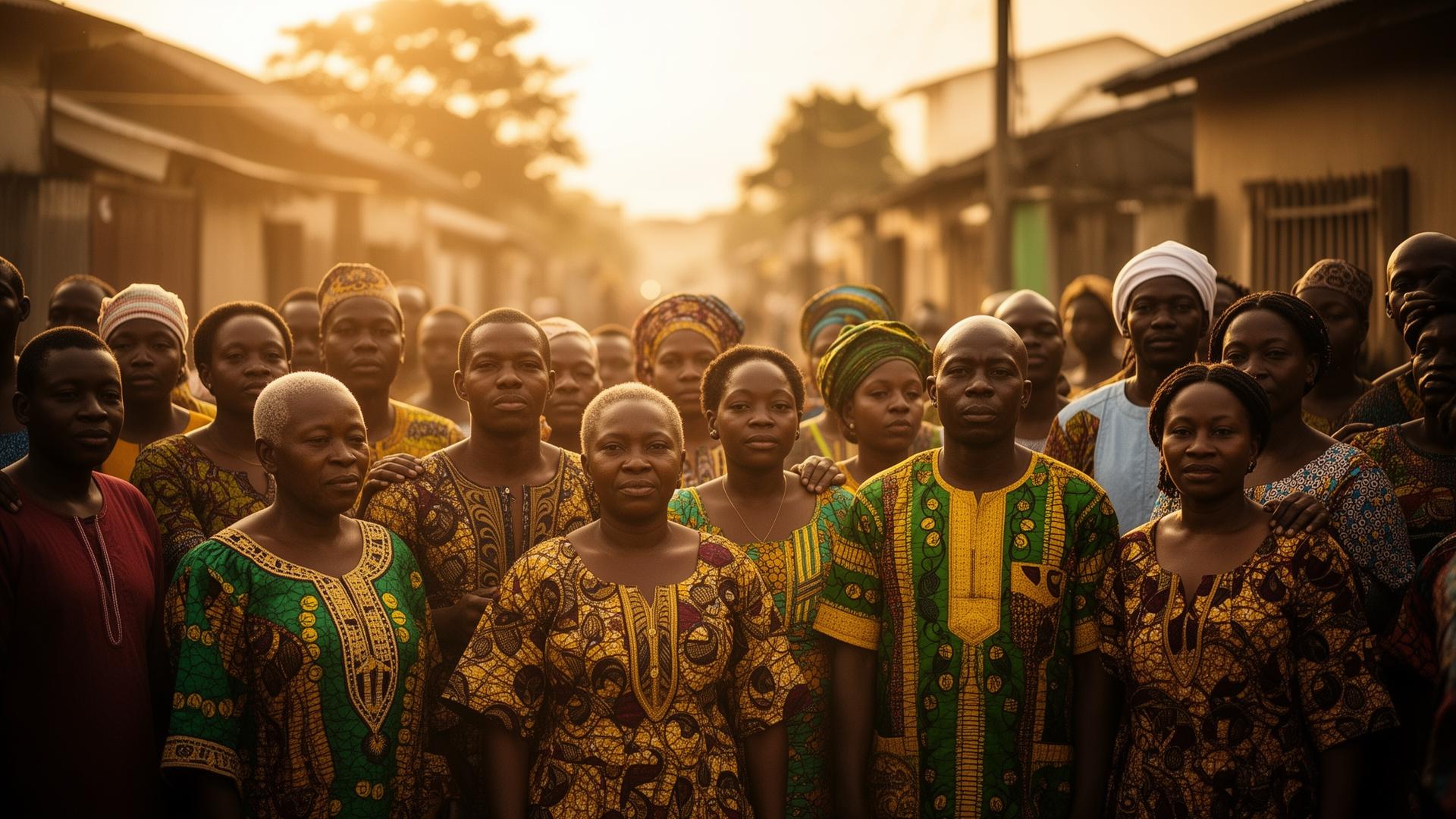
Nigeria is a country of extraordinary promise. We have the youngest population on the continent, the boldest entrepreneurs in the region and a creative culture that the world quietly imitates. Yet beneath this brilliance there is a quiet weight that every Nigerian carries from morning till night. The weight of insecurity. It shapes how we travel, how late we stay out, where we are willing to invest, and whether we tell our brightest children to come home or to stay abroad.
The true cost of an unsafe country
Insecurity is not only a story of headlines and statistics. It is a tax paid in lost productivity, in missed school days, in factories that shut their gates before dusk, and in farmers who abandon fertile land because the road home is no longer safe. When a trader in Kaduna cannot move goods after sunset, the entire supply chain that depends on that trader pays the price. When a student in Zamfara cannot attend lectures because the route to campus passes through danger, the country loses a future engineer, a future doctor, a future leader.
Brilliant minds are leaving
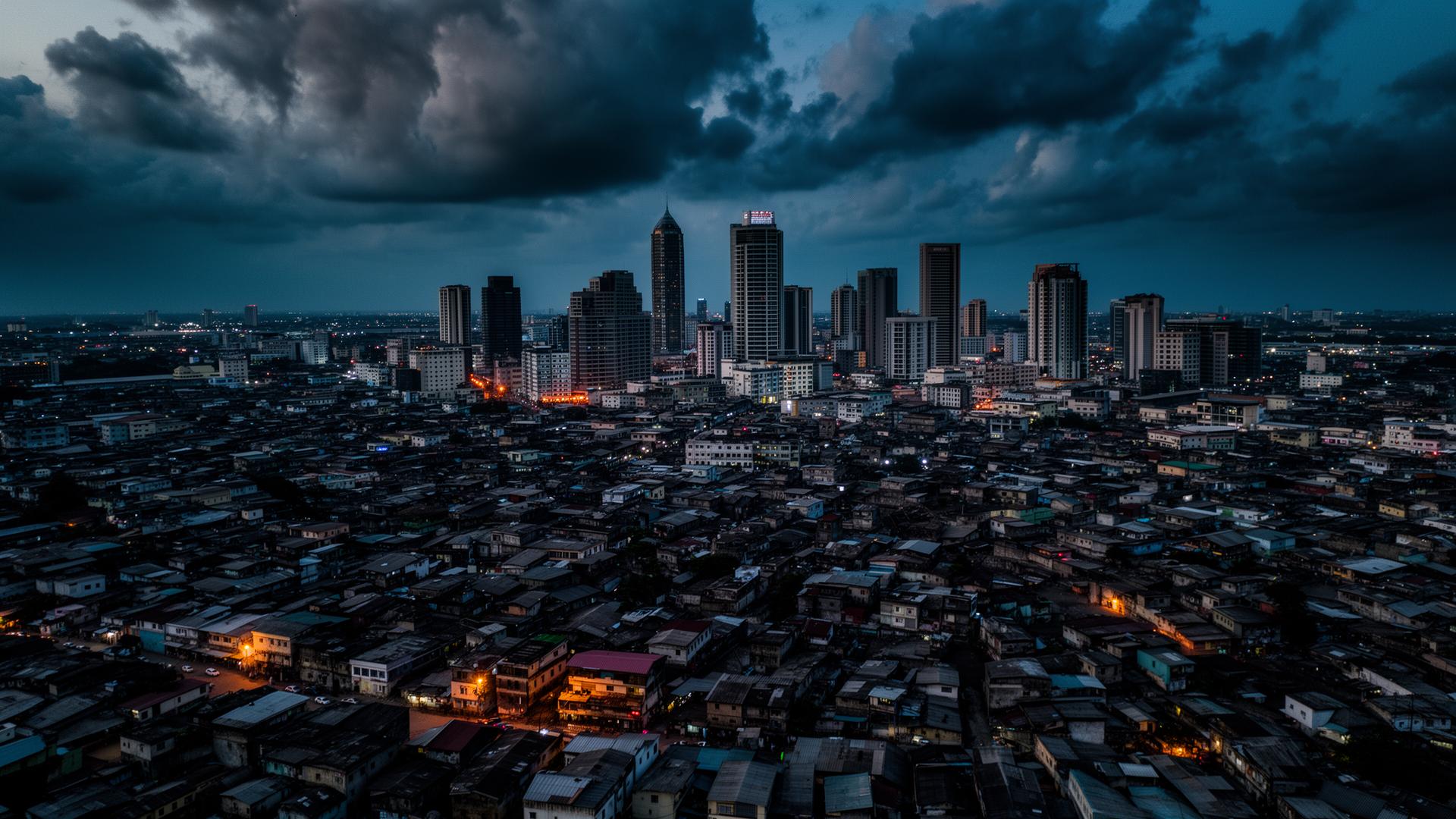
We are watching a slow exodus of talent that historians will one day call the great departure. Surgeons who trained at our finest teaching hospitals now work night shifts in foreign cities. Software engineers who cut their teeth in Lagos and Abuja now power products in London and Toronto. Many of them did not leave because they stopped loving Nigeria. They left because they could no longer guarantee the safety of their children on the school run, of their parents at home, or of themselves on the way back from work. When safety becomes a luxury, talent quietly walks out of the front door.
Empty barns and hungry markets
Nigeria does not have a soil problem. We have, by any measure, some of the most fertile land on the continent. What we have is a security problem that is choking the people who feed us. Farmers in the Middle Belt and the North have been displaced repeatedly. Herders and growers who once shared the same valleys now meet only in tragedy. The result is the quiet emptying of barns, the steady climb of food prices, and a market where ordinary families now ration what they once ate freely. Hunger born of fear is the cruellest kind, because the food is there and only the courage to harvest it is missing.
Investors hesitate, and the country pays
Capital is a coward. It does not arrive in places where it does not feel safe. Foreign investors who once queued to enter the Nigerian market now ask cautious questions about kidnapping, about cargo in transit, about the safety of their staff. Local investors, who know our promise better than anyone, hold their funds in dollars or in foreign real estate rather than commit them to factories that may not be standing in five years. Every project that is delayed, every plant that is not built and every job that is not created is a silent indictment of the security situation. The country pays for that hesitation in unemployment, in inflation and in the dimming of hope.
The government cannot do it alone
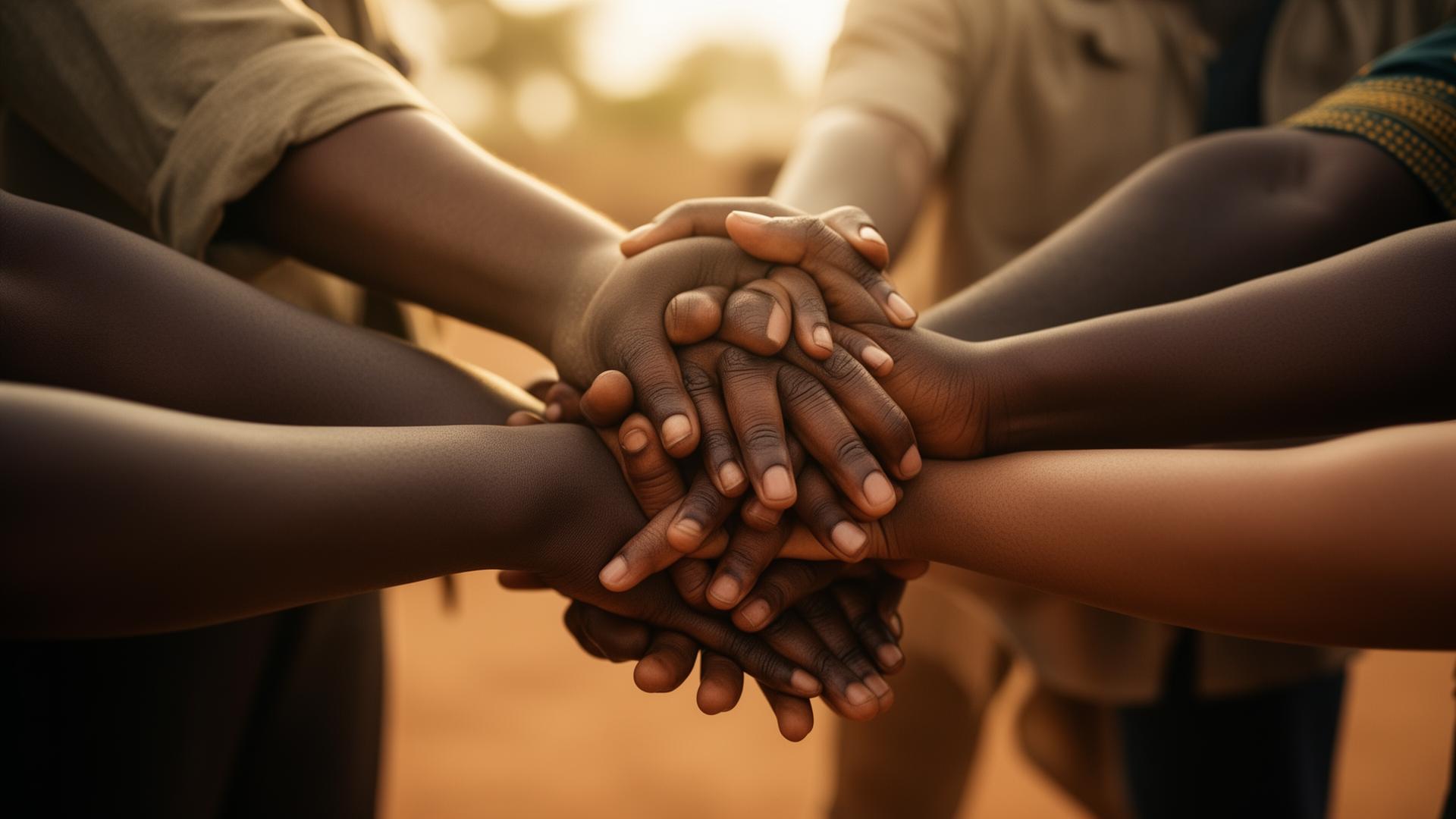
We must say this honestly and without bitterness. No government, however well resourced, can station a soldier on every street and a patrol car at every junction. Security in every functional society is a partnership between the state and the people. The police cannot see what your neighbour sees. The army cannot hear what your local trader hears. Real safety is built closest to the ground, where mothers know which child is missing, where shopkeepers notice the strange face that lingered too long, where families pay attention to one another and decide together what is normal and what is not.
Unity is the strategy that has always worked
History is patient with this lesson. The communities in Nigeria that have pushed back hardest against insecurity are the ones that organised themselves first. They knew their streets. They knew their neighbours. They built quiet networks that shared information the moment something felt off. Vigilance does not mean violence. It means awareness, communication and the simple courage to refuse to look the other way. When a community decides together that it will protect its own, criminals lose the only thing they truly depend on, which is the silence of the people around them.
Community is the most powerful security technology we own
Cameras can be cut. Walls can be climbed. Guards can be overwhelmed. But a street where two hundred neighbours are paying attention is almost impossible to attack quietly. The future of safety in Nigeria will be written by ordinary people who decide to stand together, by family WhatsApp groups that double as early warning systems, by estate committees that take their roles seriously, by religious gatherings that look out for the most vulnerable among them. This is not optimism. This is how nations recover.
Why your family needs Sentrox Secure
Sentrox Secure was built for this exact moment in our nation’s story. It was designed by Sentrox Systems, under the leadership of Stephen Dada, to give every Nigerian family a real tool for community defence. With Sentrox Secure, one tap reaches the people who actually love you, the verified responders nearest to you and a trained dispatcher who stays on the line until help arrives. It turns your trusted contacts into a living circle of protection, your neighbourhood into a coordinated network, and your phone into the calm, dependable lifeline that every home in Nigeria deserves. We cannot wait for insecurity to fix itself. We rise together, we look out for one another, and we put the right tools in the right hands. Install Sentrox Secure today, bring your family in, bring your neighbours in, and let us build the safer Nigeria we have always known we can be.
Protect your family. Strengthen your community.
Sentrox Secure is free to start. One tap reaches the people who matter most.